What You need to Know
- Dementia is not an inevitable part of aging.
- Genes influence risk—but they do not establish a diagnosis.
- Lifestyle factors is associated with lower risk of dementia independent of genetic risk.
- Risk of Alzheimer’s dementia doubles with high intake of saturated/trans fats (animal products/ processed foods)
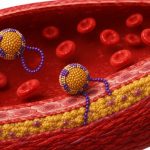
- Know your numbers, particularly cholesterol.
- Eat more plants: greens, vegetables, berries, beans, whole grains, nuts and healthy fats. (MIND diet)
- What’s good for your heart is good for your brain.
- Move your body—and build muscle.
- Prioritize restorative sleep and address sleep apnea.
- Manage stress and unwind.
- Learn new things.
- Stay socially connected.
- Protect/correct your hearing.
- Brain health is built through many small choices, repeated over time.
Aging does not automatically mean losing our ability to think, learn, remember, and remain independent.
While age and genetics influence our risk of cognitive decline, a substantial body of research suggests that our everyday lifestyle—what we eat, how much we move, how well we sleep, how we manage stress, and how socially and mentally engaged we remain—can influence brain health throughout life.
The Remarkable Brain
The adult human brain weighs nearly three pounds—about 2% of body weight—and uses approximately 20% of the body’s energy at rest, making it one of the body’s most metabolically active organs. It contains roughly 86 billion neurons and an extraordinary network of connections between them.
Dementia is an umbrella term for problems with memory, thinking, reasoning, or other cognitive abilities that are severe enough to interfere with everyday life.
Dementia is a growing global health challenge. Alzheimer’s disease is the most common cause of dementia, although there are several other forms and causes.
In 2026, an estimated 7.4 million Americans age 65 and older are living with clinical Alzheimer’s dementia. Worldwide, more than 55 million people are living with dementia, according to estimates from the Alzheimer’s Association and World Health Organization.
Abnormal protein accumulation, inflammation, vascular injury, impaired metabolism, and other processes can damage neurons and their connections. Over time, progressive brain injury can cause certain areas of the brain to shrink.
The disease processes associated with dementia can begin years—even decades—before noticeable symptoms develop.
Preclinical disease → possible mild cognitive impairment → dementia.
Do We Have Any Control?
Research, including the FINGER trial and other multidomain studies, suggests that addressing several factors together—such as physical activity, diet, cognitive activity, and vascular health—can help maintain or improve cognitive performance in some at-risk older adults.
Risk factors that cannot be changed (non-modifiable)
- Age
- Genetics
- Family history
Risk factors and behaviors that can be changed (modifiable)
| Cardiometabolic Health | Lifestyle & Brain Health |
| Blood pressure | Diet |
| Blood glucose & diabetes | Physical activity |
| Cholesterol | Smoking |
| Obesity | Alcohol consumption |
| Cardiovascular disease | Sleep |
| Stress | |
| Social engagement | |
| Cognitive activity | |
| Hearing health |
The NEURO Framework
Neurologists Drs. Dean and Ayesha Sherzai are known for their work on lifestyle approaches to brain health and dementia risk reduction. In their book, The Alzheimer’s Solution, they present the NEURO framework:
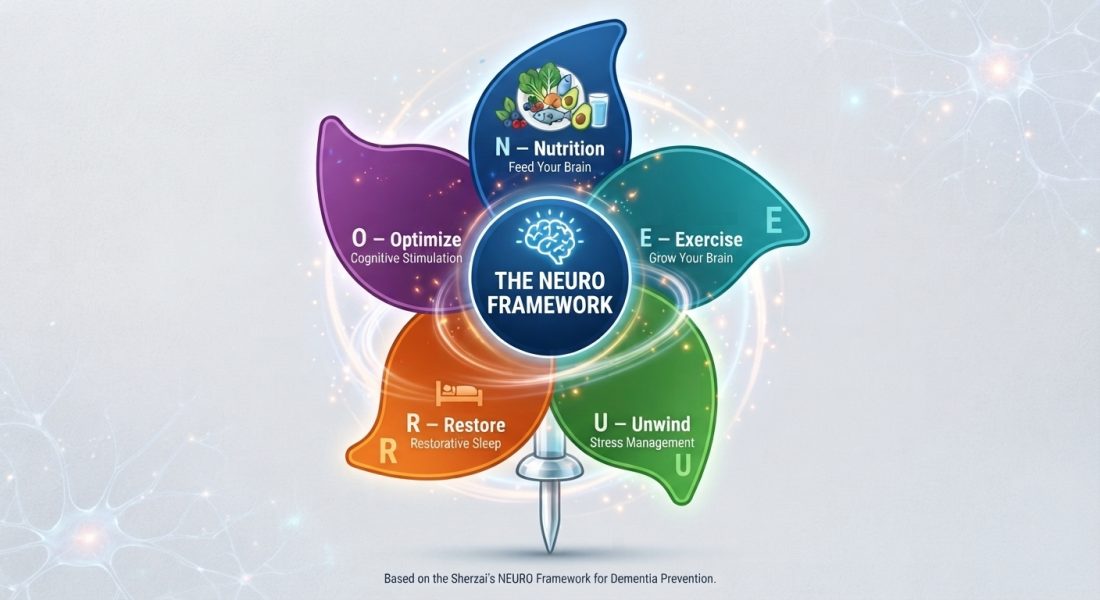
N — Nutrition: Feed Your Brain
The MIND diet—Mediterranean-DASH Intervention for Neurodegenerative Delay—is a dietary pattern that combines elements of the Mediterranean and DASH diets.
In the Chicago health and aging project, a longitudinal Study involving 2500 older adults who consumed higher amounts of saturated fat over six year period at higher chance of developing Alzheimer’s compared to those that were plant eaters.
Observational studies have associated greater adherence to the MIND diet with slower cognitive decline and a lower risk of Alzheimer’s disease and dementia. Of the 581 participants studied, those who scored highest for adhering to the Mediterranean diet had average plaque and tangle amounts in their brains similar to being 18 years younger than people who scored lowest.
It emphasizes:
- Green leafy vegetables
- Other vegetables
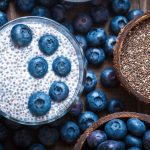
- Berries
- Whole grains
- Beans and legumes
- Nuts
- Olive oil and other unsaturated fats
- Fish
It limits:
- Red meat
- Butter and other foods high in saturated fat
- Cheese
- Fried or fast foods
- Sweets and pastries
NEURO 9: Foods to Nourish Your Brain
| NEURO 9 | Examples |
| 🥬 Leafy Greens | Spinach, kale, collards, arugula, chard |
| 🥦 Cruciferous Vegetables | Broccoli, cauliflower, cabbage, Brussels sprouts |
| 🌈 Other Vegetables | Tomatoes, peppers, carrots, squash, mushrooms |
| 🫐 Berries & Fruit | Blueberries, strawberries, raspberries, citrus, apples |
| 🫘 Beans & Legumes | Lentils, chickpeas, black beans, kidney beans, peas |
| 🌾 Whole Grains | Oats, barley, brown rice, quinoa, farro |
| 🥜 Nuts & Seeds | Walnuts, almonds, pistachios, chia, flax, pumpkin seeds |
| 🫒 Healthy Fats | Avocado, olives, olive oil, nuts and seeds |
| 🌿 Herbs & Spices | Turmeric, ginger, garlic, cinnamon, rosemary |
E — Exercise: Grow Your Brain
Exercise influences signaling molecules such as BDNF, VEGF, and GDNF, which support brain health, neuroplasticity, blood-vessel health, and resilience.
Regular physical activity can:
- Increase blood flow to the brain
- Improve insulin sensitivity
- Support healthy brain metabolism
- Improve mood
- Reduce symptoms of anxiety and depression
- Promote neuroplasticity
- Support memory and executive function
- Reduce cardiovascular risk
Strong Legs = Strong Brain?
There is growing evidence linking physical fitness—particularly aerobic fitness and muscle strength—with brain structure and cognitive function.
Studies in older adults, including people with mild cognitive impairment, suggest that resistance exercise and aerobic activity may benefit aspects of cognitive performance.
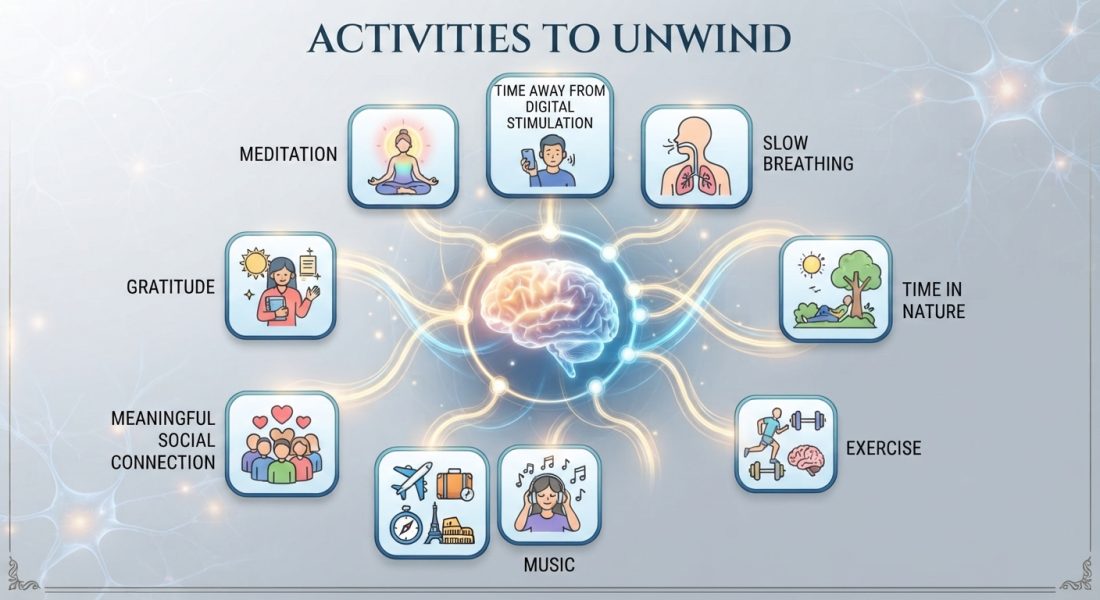
U — Unwind: Give Your Brain Time to Recover
Modern life can keep the stress response switched on. Chronic stress has also been associated with changes in brain regions involved in memory and emotional regulation.
How can you unwind?
Sometimes the most powerful intervention is simply giving your nervous system permission to slow down.
R — Restore: Restorative Sleep
Your Brain Takes a Bath While You Sleep
During sleep, the brain participates in processes involved in memory consolidation, restoration, and metabolic waste clearance. Sleep also plays an important role in regulating mood, metabolism, and cardiovascular health.
Poor sleep has been associated with cognitive impairment and an increased risk of dementia.
Sleep disorders—particularly untreated obstructive sleep apnea—are important to recognize and address.
O — Optimize: Challenge and Connect Your Brain
Neuroplasticity is the brain’s capacity to change and form or strengthen connections in response to experience. 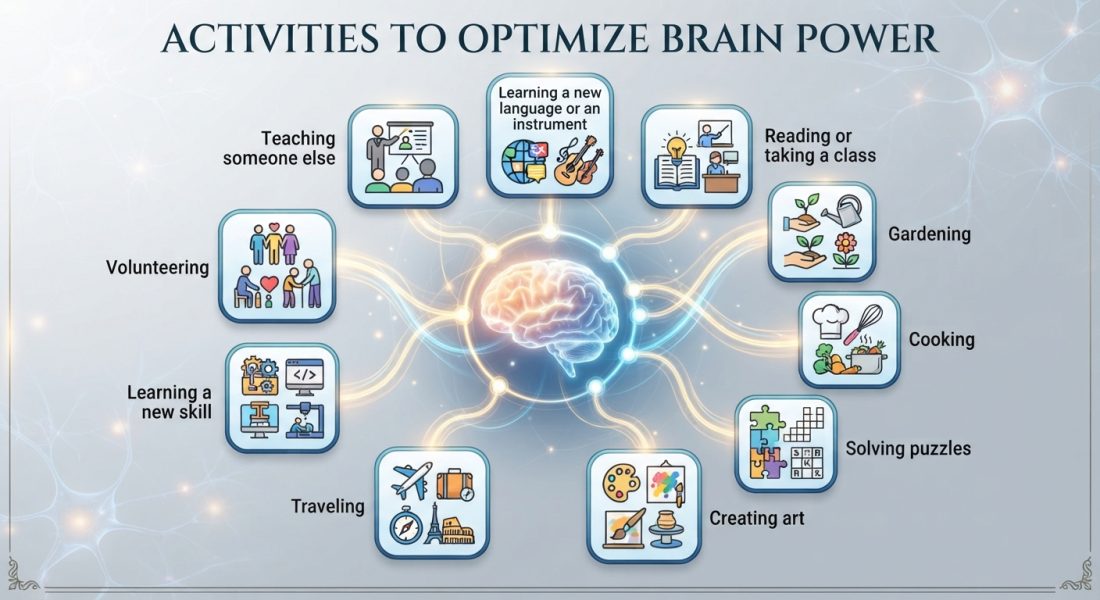
Connection Is Brain Health
Loneliness and social isolation are associated with an increased risk of cognitive decline and dementia. Meaningful social interaction gives the brain opportunities to communicate, problem-solve, regulate emotions, and adapt.
Making time for:
Family • Friends • Community • Conversation • Purpose can go a long way.
Hearing loss is associated with an increased risk of cognitive decline and dementia. Addressing hearing loss—including appropriate evaluation and treatment—may help support communication, social engagement, and quality of life.
What About Genetics?
Genetics matter. But genetic risk does not mean that there is nothing we can do.
For example, carrying the APOE ε4 allele is associated with an increased risk of Alzheimer’s dementia. But genetic risk is not a diagnosis and not a destiny.
Research suggests that lifestyle and health factors is associated with lower risk of dementia independent of genetic risk. It is also associated with better cognitive functioning, among people who have dementia-related brain changes.
What About Vitamins and Supplements?
Certain nutrients—including vitamin B12, folate, and vitamin D—are important for normal health and brain function. Supplementation may be appropriate when a deficiency exists or when recommended by a healthcare professional.
The Bottom Line
Aging does not have to mean losing your cognitive health. We cannot control our age or our genes. But we can influence many of the factors that affect brain health. Activities for brain health are those that are complex, purposeful and challenging. Let us give our brain the right environment.