Blueberry consumption in the United States has increased nearly threefold since the early 2000s—and for good reason. There is plenty of research showing that daily blueberry consumption can significantly boost natural killer (NK) cell activity, largely due to their high concentration of anthocyanins, the powerful antioxidants responsible for their deep blue color.
Natural killer (NK) cells are a type of white blood cell and a critical component of our immune system. They help the body:
- Detect and destroy virus-infected cells
- Eliminate abnormal or cancerous cells
- Respond quickly to immune threats without prior exposure
Supporting NK cell activity is essential for maintaining a strong immune system, especially in the face of chronic stress, inflammation, and environmental exposures. Data shows that just one cup of blueberries a day can lead to measurable improvements—an impressive return from a simple dietary addition.
In How Not to Die, Dr. Michael Greger highlights that while blueberries take center stage in immune activation, certain spices—such as cardamom—may enhance and complement these benefits. Cardamom may help by improving the bioavailability of phytonutrients, allowing the body to better absorb and utilize the beneficial compounds found in blueberries, while also supporting digestion and reducing inflammation.
Having said that, it’s important to acknowledge the other side of the story: conventionally grown blueberries may be exposed to higher pesticide use.
For the second year in a row, blueberries ranked 11th on the Environmental Working Group’s (EWG) 2024 Dirty Dozen™, a list identifying conventionally grown fruits and vegetables with the highest pesticide residues.
The 2024 Shopper’s Guide to Pesticides in Produce™ analyzed USDA test data collected between 2020 and 2022 and found that, compared to earlier testing in 2013–2014, pesticide contamination in blueberries has increased significantly.
Key findings were:
- A single blueberry sample contained up to 17 different pesticide residues
- Phosmet and malathion, both organophosphate insecticides, were among the most concerning chemicals that have been linked to neurological and developmental concerns, especially in children
Blueberries are undeniably a nutritional powerhouse—but making informed choices is key.
Practical tips:
- Choose organic blueberries whenever possible
- Wash thoroughly, even organic produce
- Rotate fruits to reduce cumulative pesticide exposure
- Support your body’s detoxification and antioxidant systems with a plant-rich diet
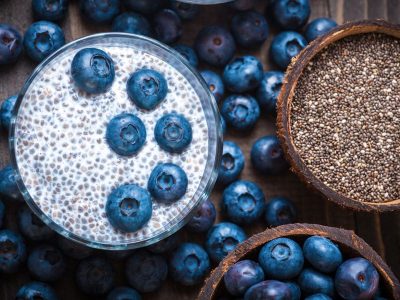
A Simple Recipe: Blueberry Cardamom Chia Pudding
A delicious way to enjoy this flavorful, nutritious combination:
Ingredients
- Blueberries (1 cup)
- A pinch of ground cardamom
- Chia seeds (1-2 tablespoon)
- Plant-based milk (1 cup)
- Optional: maple syrup
Directions
Mix all ingredients together and refrigerate overnight. Enjoy a nourishing, cardamom-flavored breakfast the next morning.
Yet simpler: A bowl of fresh blueberries with a dash of cardamom!