
For a long time, we’ve thought of survival as a solo “tough it out” mission, when our biology suggests that survival is a team sport.
When we think about stress responses, we often think of fight, flight, or freeze. But there is another powerful—yet often overlooked—response: Tend-and-Befriend, which is a scientifically recognized stress response.
While fight or flight is about reactivity, tend-and-befriend is about resiliency. It’s the difference between sprinting away from a fire and building a fortress with your neighbors. It helps explain why, during times of stress or crisis, many people instinctively seek connection, offer care, and build community rather than withdraw or react aggressively.
This response is deeply rooted in our biology. Especially in times of uncertainty, human connection helps calm the nervous system, lower stress hormones, and build emotional resilience. It also supports immune and cardiovascular health. When we lean into community, we aren’t just “feeling better”—we are physically altering our internal environment.
Biologically, this response is strongly linked to:
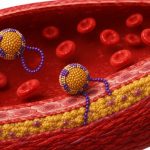
- Oxytocin, often called the “bonding hormone,” which increases during stress and promotes trust, calm, and connection. It doesn’t just make us feel warm and fuzzy; it actively dampens the amygdala’s alarm signals, allowing the prefrontal cortex (our logical brain) to stay engaged and problem-solve instead of panicking.
- Parasympathetic nervous system activation, which slows heart rate, reduces cortisol, and restores balance.
- Social buffering: research shows that simply having a supportive person present during a stressful task lowers blood pressure and cortisol levels more effectively than any breathing exercise done in isolation.
Small acts matter—checking in on a friend, sharing a meal, asking for help, or offering kindness. These moments of connection are not signs of weakness; they are evidence-based tools for healing and wellness. Connections are not optional but essential.
We can thank Shelley E. Taylor, a distinguished social and health psychologist at UCLA, and her team for first describing the tend-and-befriend response in 2000. She was awarded the National Medal of Science, the highest honor bestowed by the U.S. government on scientists. She has written several books, including The Tending Instinct: Women, Men, and the Biology of Relationships, which explores this research in depth.
Taylor’s research changed the game by proving that even though we live in an “I world,” our brains are “wired for we.”