Key Points:
- The Gut-Brain Highway: Your gut and brain communicate continuously via the vagus nerve and immune signals, explaining why mental stress directly triggers digestive symptoms.
- Microbes Thrive on Plant Fiber: Gut bacteria ferment indigestible plant fibers into short-chain fatty acids (SCFAs like butyrate) that protect the intestinal barrier and regulate metabolism.
- Zero Fiber in Animal Foods: Fiber is exclusive to plant foods (beans, lentils, whole grains, vegetables, and fruits); meat and dairy supply none.
- Fermented is not equal to Probiotic: Not all fermented foods contain active cultures, and commercial probiotic supplements are rarely necessary unless indicated for specific conditions.
- Diversity Beats Superfoods: Rather than seeking a single miracle food, focus on variety by adding seeds, beans, berries, and whole grains into your daily routine
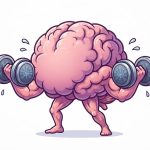
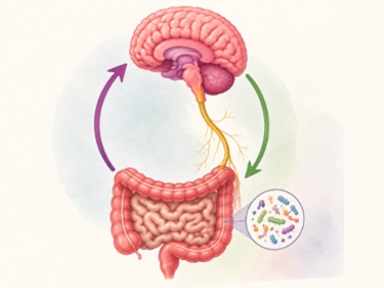
Did you know that our gut and brain are constantly in communication?
The gut–brain axis is a two-way communication system between the gut and the brain. Our brain can affect our gut, and our gut can send signals that affect our brain.
This connection helps explain why stress can sometimes cause “butterflies,” nausea, diarrhea, constipation, or changes in appetite.
The vagus nerve is an important communication highway between the digestive tract and the brain. Communication also occurs through the immune system, hormones, and compounds produced by gut microorganisms.
The trillions of microorganisms living primarily in our large intestine—collectively known as the gut microbiome—interact with our nervous system, immune system, hormones, and metabolism.
The Gut Microbiome: Our Inner Ecosystem
These microorganisms don’t simply live inside us; they perform many important functions:
- Break down components of food that we cannot completely digest ourselves
- Ferment certain dietary fibers and produce beneficial compounds
- Interact with and help regulate our immune system
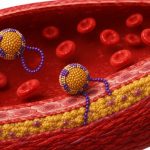
- Produce short-chain fatty acids (SCFAs), such as butyrate, that help nourish cells lining the colon and support the intestinal barrier
- Participate in the metabolism of nutrients and other compounds
- Produce or influence substances that can communicate with other organs—including the brain
One of the most powerful ways we can influence our gut microbiome is through something we do every day: EAT
Diet can influence the gut microbiome, digestive health, metabolism, and immune function. Emerging research is also investigating connections with:
- Inflammation
- Stress responses
- Mood
- Sleep
- Brain health
What Is Food for Gut Microbes?
Fiber.
Human digestive enzymes cannot break down many types of dietary fiber. Some of these fibers reach the colon, where gut microorganisms can ferment them and produce beneficial compounds, including short-chain fatty acids (SCFAs) such as butyrate. These compounds can help nourish the cells lining the colon, support the intestinal barrier, and interact with our immune and metabolic systems.
Excellent fiber-rich foods include:
- Beans, lentils, peas, and chickpeas
- Whole grains
- Vegetables
- Fruits
- Nuts
- Seeds
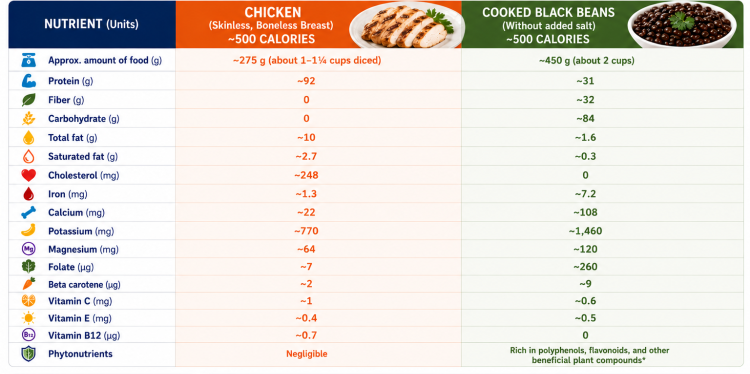
Animal foods contain no dietary fiber. See the attached table for a comparison of nutrients found in specific animal and plant foods.
Variety Matters Too!
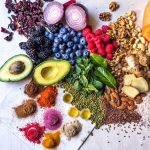
Different plant foods provide different types of fiber and phytochemicals that can be metabolized by different gut microbes and may help support a healthy, diverse microbial ecosystem. Rather than focusing on one “superfood,” aim for variety:
Vegetables • Fruits • Beans • Lentils • Whole grains • Nuts • Seeds • Herbs • Spices
What Are Prebiotics, Probiotics, and Fermented Foods?
PREBIOTICS
A prebiotic is a substrate that is selectively utilized by host microorganisms and confers a health benefit. Many prebiotics are types of dietary fiber, but not all fiber is prebiotic.
Foods containing fibers or carbohydrates with prebiotic effects include:
- Onions, garlic, and leeks
- Asparagus
- Oats and barley
- Legumes*
- Slightly underripe bananas
*Legumes are a category of plants belonging to the Fabaceae family, characterized by producing seeds inside a pod. The main categories of legumes include beans (black beans, kidney beans, pinto beans, garbanzo beans (chickpeas), soybeans (edamame), and navy beans), lentils (red, green, brown, and French), peas, peanuts, alfalfa and clover.
PROBIOTICS
Probiotics are specific live microorganisms that, when consumed in adequate amounts, provide a health benefit.
Probiotic supplementation is not routinely necessary unless there is a specific indication such as recent antibiotic use, bowel prep or a foodborne illness. The reason is that they are not regulated by FDA and may disturb the balance of the gut microbiome. It is better to feed our own good gut microbes with prebiotics/ fiber rich plant foods which have additional health benefit.
FERMENTED FOODS
Fermentation uses microorganisms to transform foods.
Not all fermented foods contain live microorganisms—and fermented foods are not automatically probiotics.
Processing, pasteurization, cooking, and storage can reduce or eliminate the microorganisms that were involved in fermentation.
Examples of fermented foods—some of which may contain live microorganisms—include:
- Yogurt with live cultures (look for “contains live and active cultures”)
- Kefir
- Refrigerated sauerkraut/kimchi**
- Kombucha that contains live cultures
- Tempeh/Natto/Miso
- Some fermented vegetables
**Refrigerated sauerkraut and kimchi are raw and full of gut-healthy probiotics. Shelf-stable versions are heated and pasteurized so they can sit in our pantry, but that process kills off the good bacteria.
Food, Mood & Stress
Healthier dietary patterns are associated with better mental health outcomes, and emerging research is exploring whether and how the gut microbiome contributes to this relationship.
Ultra-Processed Foods & the Gut Microbiome
Ultra-processed foods often contain combinations of refined starches, added sugars, sodium, added fats, flavorings, emulsifiers, and other additives while providing relatively little fiber.
Examples may include:
- Sugary drinks
- Packaged sweets and desserts
- Many chips and snack foods
- Some processed meats
- Many highly refined convenience foods
Higher consumption of ultra-processed foods has been associated with a variety of adverse health outcomes.
The Take-Home Message
Our gut is an ecosystem, not just a digestive tube. What we eat helps shape that ecosystem. A dietary pattern rich in diverse, fiber-rich, minimally processed plant foods provides substrates for many health-associated gut microbes while supporting digestive, metabolic, immune, and overall health. You don’t have to change everything overnight.
Try adding just one new plant food to your meals each day. Small changes add up.
Add berries to oatmeal
Add beans to a salad
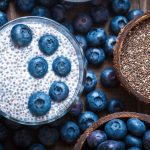
Sprinkle flax or chia seeds on breakfast
Add spinach to your tofu scramble
Snack on fruit and nuts
Try a new whole grain
Experiment with herbs and spices
Food is Information— Food Is Medicine. Feed your gut and nourish your health.