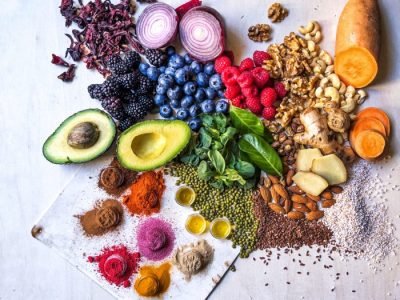
Have you ever wondered why nature paints fruits and vegetables in so many brilliant colors?
Those vibrant reds, oranges, greens, blues, and purples are much more than beautiful—they are nature’s way of packaging thousands of beneficial compounds that help protect both plants and the people who eat them.
Every color in fruits and vegetables represents a unique combination of naturally occurring plant compounds called phytonutrients (also known as phytochemicals). Scientists have identified more than 25,000 phytonutrients, each with unique biological activities. Research shows that phytonutrients play important roles in reducing inflammation, protecting our cells from oxidative damage, supporting immune function, and lowering the risk of many chronic diseases, including heart disease, type 2 diabetes, and certain cancers.
The Dietary Guidelines for Americans recommend eating a wide variety of colorful fruits and vegetables because no single food contains all the vitamins, minerals, fiber, and beneficial phytonutrients our bodies need.
What Does “Eating the Rainbow” Mean?
Eating the rainbow means including fruits and vegetables from every major color group throughout the week—and ideally throughout each day.
No single fruit or vegetable provides every nutrient or phytonutrient your body needs. Each color contributes its own unique combination of vitamins, minerals, fiber, and protective plant compounds that work together to support overall health.
Why Variety Matters
Researchers now believe that many of the health benefits of plant foods come not from one “superfood,” but from the synergy of thousands of naturally occurring compounds working together. This is why eating a wide variety of whole plant foods is better than relying on vitamin or antioxidant supplements.
Emerging research also suggests that eating a greater diversity of plant foods supports a more diverse gut microbiome. The trillions of microorganisms that live in our intestines influence immunity, metabolism, inflammation, and even mental health.
Fresh, Frozen, or Canned?
Good news—they all count.
Frozen fruits and vegetables often receive an undeserved bad reputation. In reality, they are typically harvested at peak ripeness and frozen shortly afterward, preserving most of their vitamins and phytonutrients. In some cases, frozen produce may even contain more nutrients than fresh produce that has spent several days in transport or storage.
Canned fruits and vegetables can also be healthy choices when you select products with:
- No added salt
- No added sugar
- Fruit packed in water or its own juice
Remember, the healthiest fruits and vegetables are the ones you eat consistently.
How Much Should You Eat?
The American Heart Association recommends filling at least half of your plate with fruits and vegetables and aiming for five or more servings each day, with vegetables making up the larger share. Unfortunately, fruits and vegetables remain the most underconsumed food groups in the American diet.
According to the Centers for Disease Control and Prevention (CDC, 2022):
- Only about 12% of U.S. adults meet the recommended fruit intake.
- Only about 10% meet the recommended vegetable intake.
A landmark meta-analysis published in the International Journal of Epidemiology found that the greatest reduction in the risk of premature death occurred at approximately 7.5 servings (about 600 grams) of fruits and vegetables per day, beyond which the additional benefits began to level off.
Simple Coloring Tricks and Tips
🥣 Add blueberries, strawberries, walnuts, and ground flaxseed to your morning oatmeal.
🥗 Build a salad using leafy greens, tomatoes, carrots, purple cabbage, chickpeas, and colorful bell peppers.
🌮 Add spinach, shredded purple cabbage, tomatoes, or peppers to tacos, wraps, sandwiches, or grain bowls.
🍲 Stir broccoli, mushrooms, spinach, carrots, or peppers into soups, stews, pasta, or chili.
🍎 Pair colorful fruits with a handful of nuts or a tablespoon of nut butter for a satisfying snack.
“Eat the Rainbow Guide”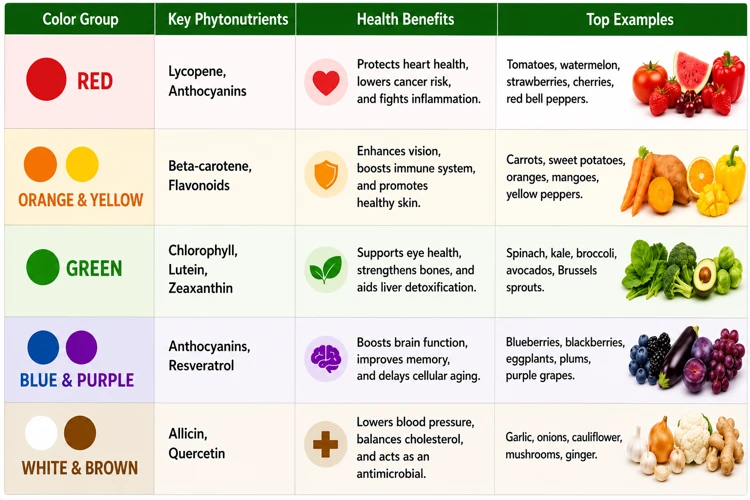
The Bottom Line
Healthy eating is not about achieving perfection—it’s about making consistent progress. Instead of focusing on what to eliminate, start by adding more colorful whole plant foods to every meal. Small, consistent changes often become lifelong habits.
Use the “Eat the Rainbow Guide” above to inspire your next trip to the grocery store, farmers market, or kitchen.
Remember, every colorful bite is an investment in your long-term health. Start with one extra serving today and let those small choices add up to a healthier tomorrow.
Eat more plants. Eat more colors. Eat more variety.
Your body—and your future self—will thank you!